
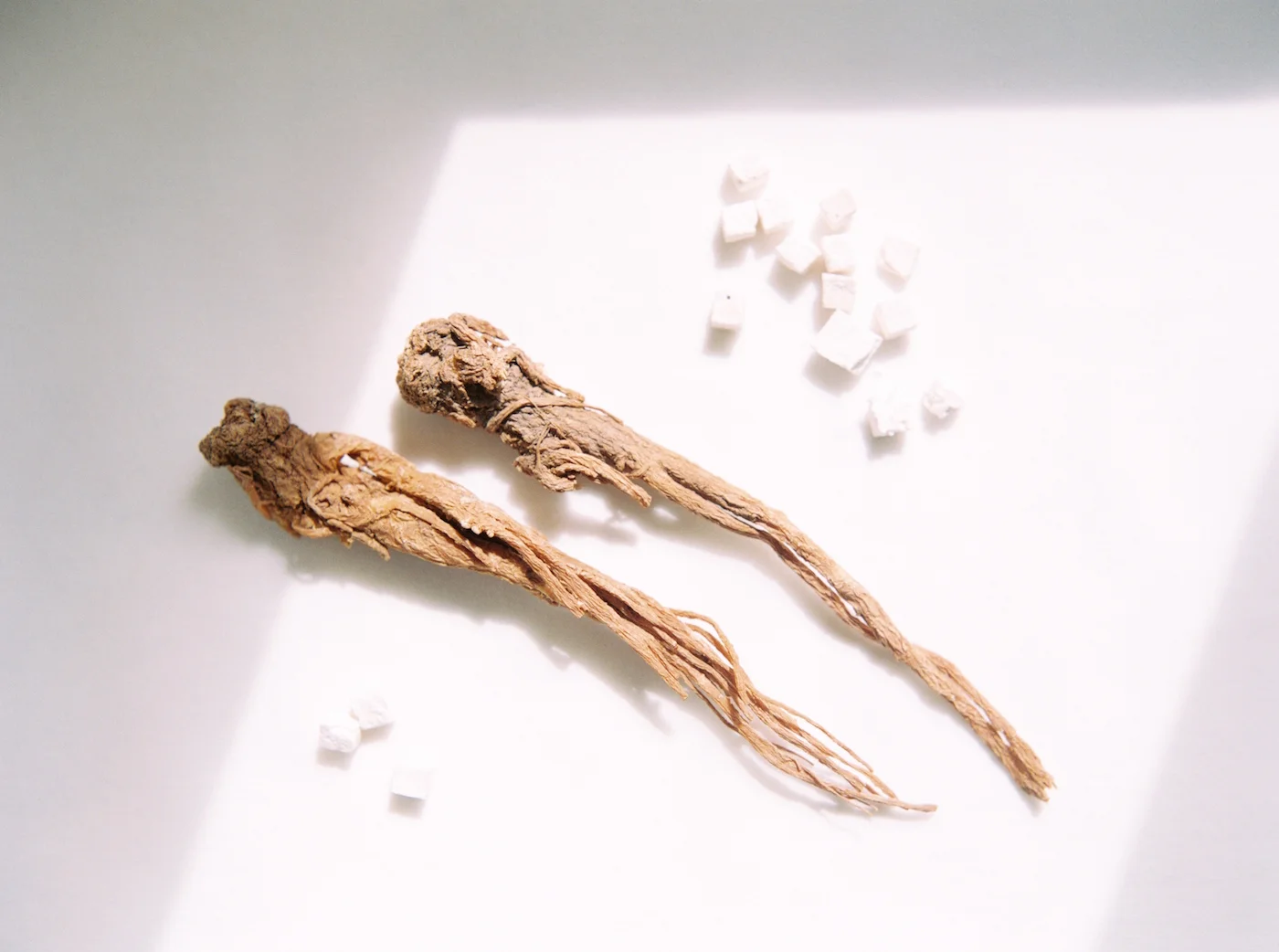
At Ming Integrative Health, herbal medicine is used as a supportive option, not as a default or long-term prescription. We recognize that not everyone needs herbs, and they are not intended for continuous use. When appropriate, herbal recommendations are introduced thoughtfully, for a specific purpose and duration, and adjusted as your body’s needs change.
Our Approach
Herbal recommendations are considered only after a careful review of your health history, current concerns, medications, and overall functional patterns. Rather than targeting isolated symptoms, we use herbs to support balance across interconnected systems—such as digestion, stress response, immune function, and recovery capacity.
This individualized approach draws from both traditional herbal principles and modern clinical understanding, allowing recommendations to be tailored to your unique needs and circumstances.
When Herbal Medicine May Be Considered
Herbal medicine may be used to:
Support digestive and metabolic balance
Assist with stress adaptation and nervous system regulation
Promote recovery during periods of increased physical or emotional demand
Complement lifestyle, nutrition, sleep, and stress-support strategies as part of a stepwise care plan.
Safety and Quality
Your safety is our priority. Before recommending any herbal medicine, we carefully review:
Current medications and potential interactions
Individual health conditions and contraindications
Product quality, sourcing, and standardization
We recommend herbal products from reputable manufacturers and adjust recommendations as needed based on your response.
Open and Integrated Care
We encourage open communication about any supplements or herbs you are using so we can help ensure safe, coordinated care. Herbal medicine is always used as part of an integrative approach and, when appropriate, coordinated with your conventional medical care.